How Books, Movies, TV, and Celebrities Are Changing Entertainment
LGBTQIA+ stories have become increasingly visible in books, movies, television, music, and popular culture. Stories that once struggled to reach mainstream audiences now reach readers and viewers seeking characters and experiences that reflect a broader range of identities, relationships, families, and communities.
That visibility matters beyond entertainment.
For LGBTQIA+ audiences, seeing queer characters as heroes, romantic leads, parents, adventurers, detectives, friends, and ordinary people can foster a powerful sense of recognition. For other audiences, these stories offer opportunities to experience lives and perspectives beyond their own.
Most importantly, LGBTQIA+ storytelling is no longer limited to a single type of story.
Queer characters can fall in love without the entire story centering on coming out. They can solve murders, survive supernatural threats, travel through space, build families, make terrible decisions, save the world, or simply figure out what they want from life.
That expanding range may be one of the most significant changes in LGBTQIA+ representation.
LGBTQIA+ Books Are Expanding the Possibilities of Queer Storytelling
Books have long provided LGBTQIA+ writers and readers with a space to explore experiences often absent from mainstream entertainment.
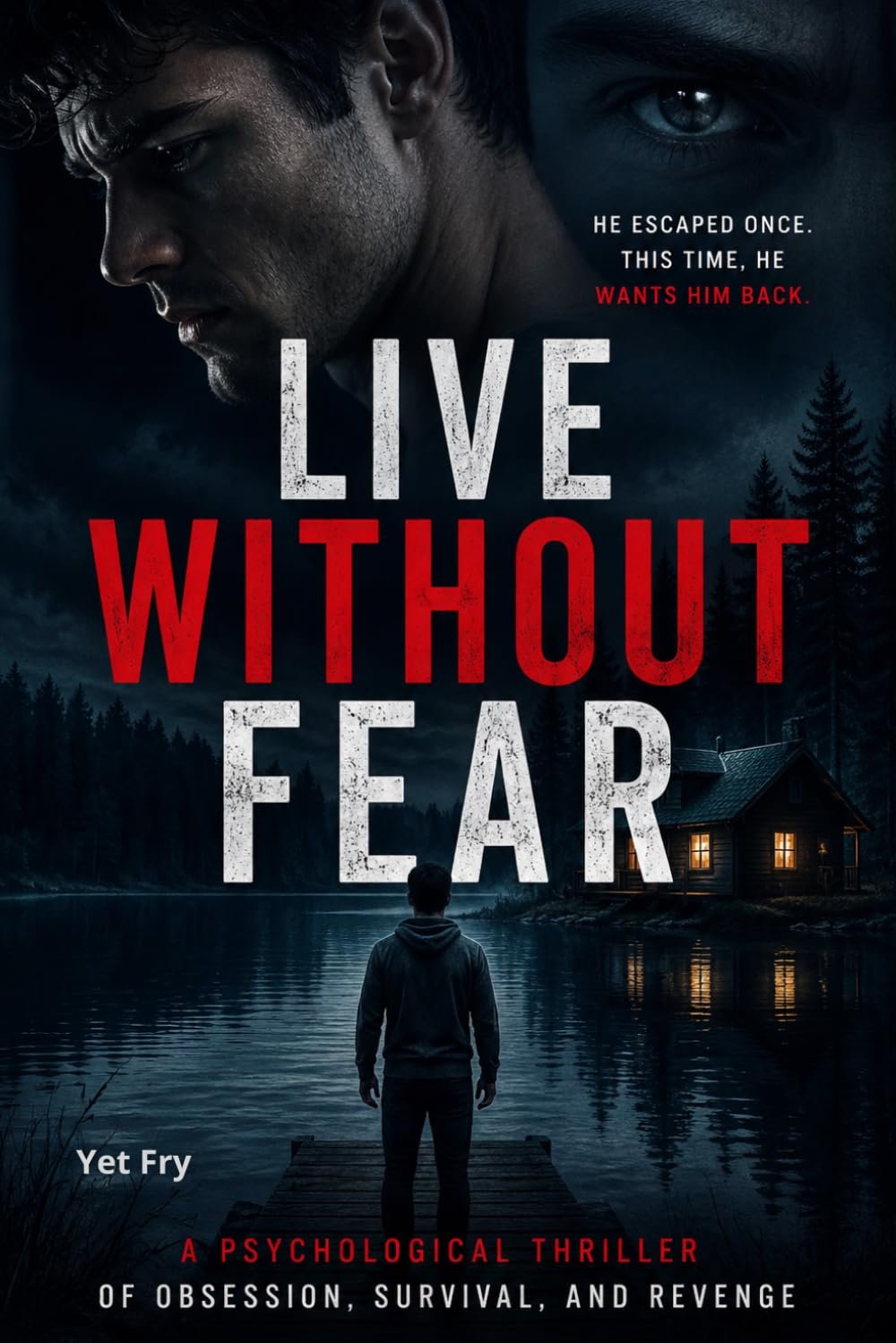
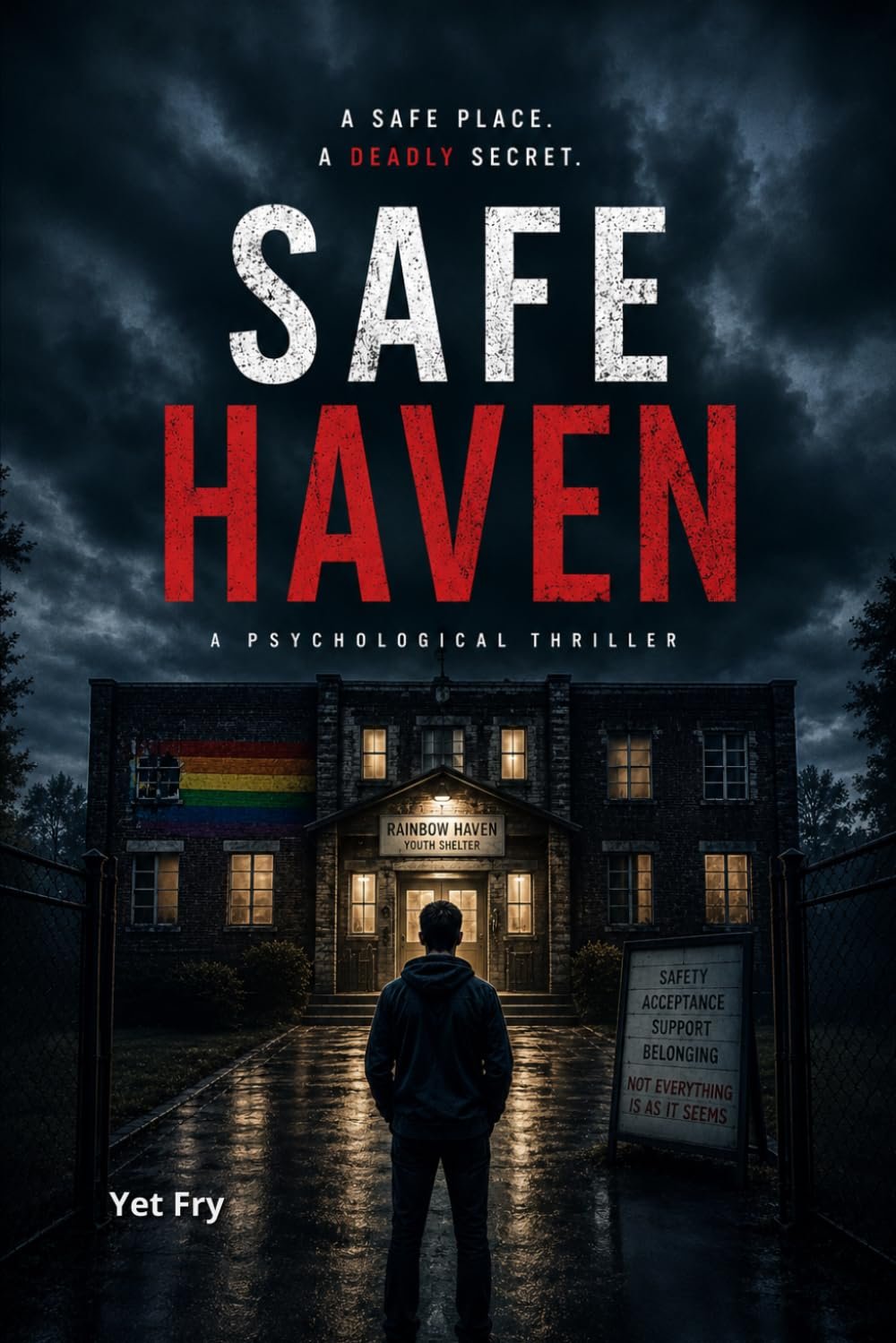
Today, LGBTQIA+ books span an extraordinary range of genres, including romance, mystery, psychological thrillers, horror, fantasy, science fiction, young adult fiction, children’s literature, memoir, history, and nonfiction.
That variety is important.
There is no single LGBTQIA+ experience, and there should not be a single kind of LGBTQIA+ story.
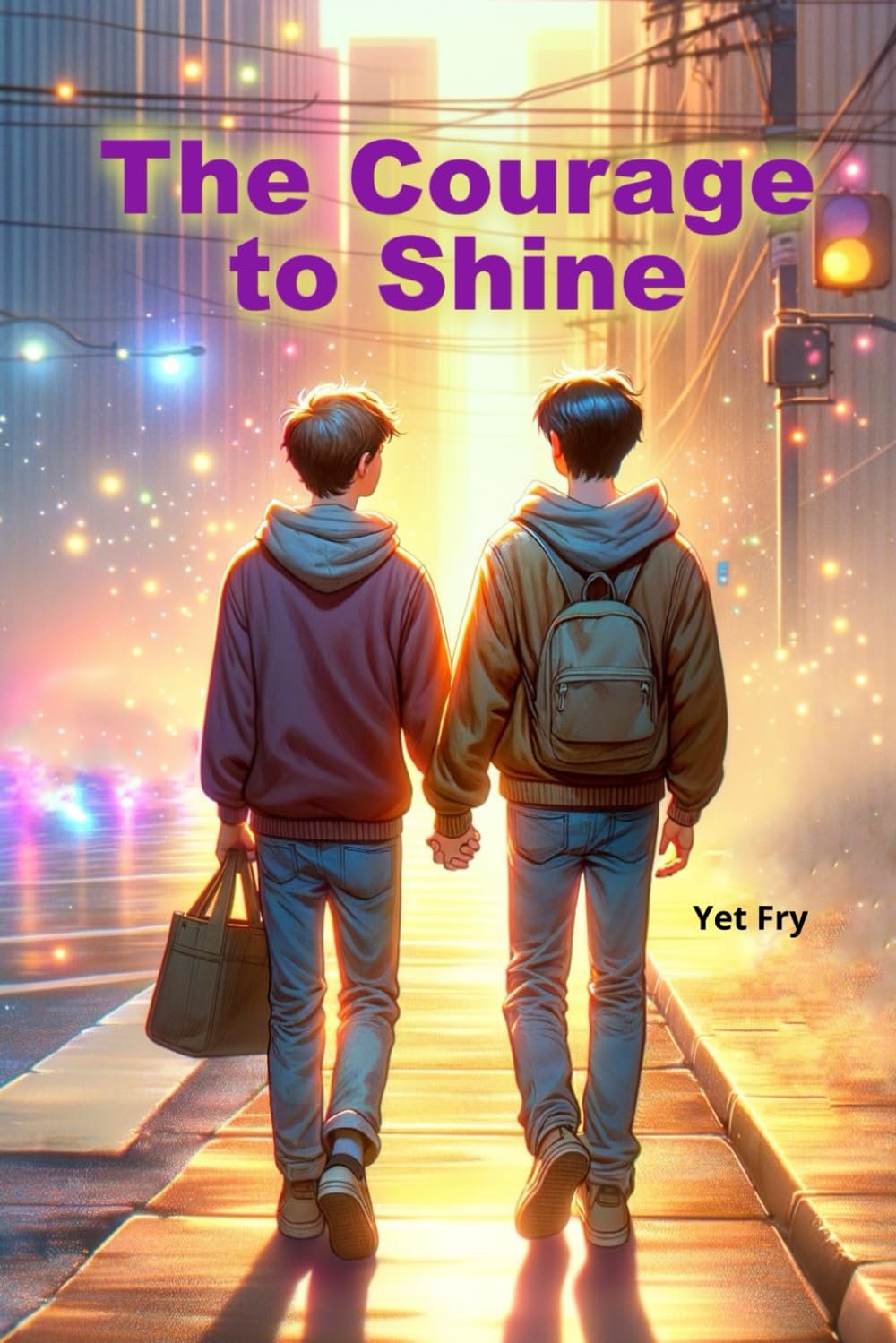
Young adult fiction can explore first love, friendship, identity, and the search for community. Romance can offer LGBTQIA+ characters the happily-ever-after endings they were historically denied. Mystery and thriller novels can place queer characters at the center of suspenseful stories in which their sexuality is part of who they are, without necessarily making it the source of the danger.
Fantasy and supernatural fiction can go even further, creating worlds where LGBTQIA+ characters can become heroes, shapeshifters, witches, warriors, explorers, or any other role an author can imagine.
Meanwhile, memoirs and nonfiction preserve real experiences and histories that might otherwise be lost.
The result is a literary landscape in which LGBTQIA+ readers increasingly have the opportunity to find stories that speak to many aspects of their lives.
The Importance of LGBTQIA+ Representation in Books
Representation is about more than placing an LGBTQIA+ character in a story.
Meaningful representation gives characters personalities, ambitions, flaws, relationships, fears, families, friendships, and futures.
This distinction matters especially for younger readers.
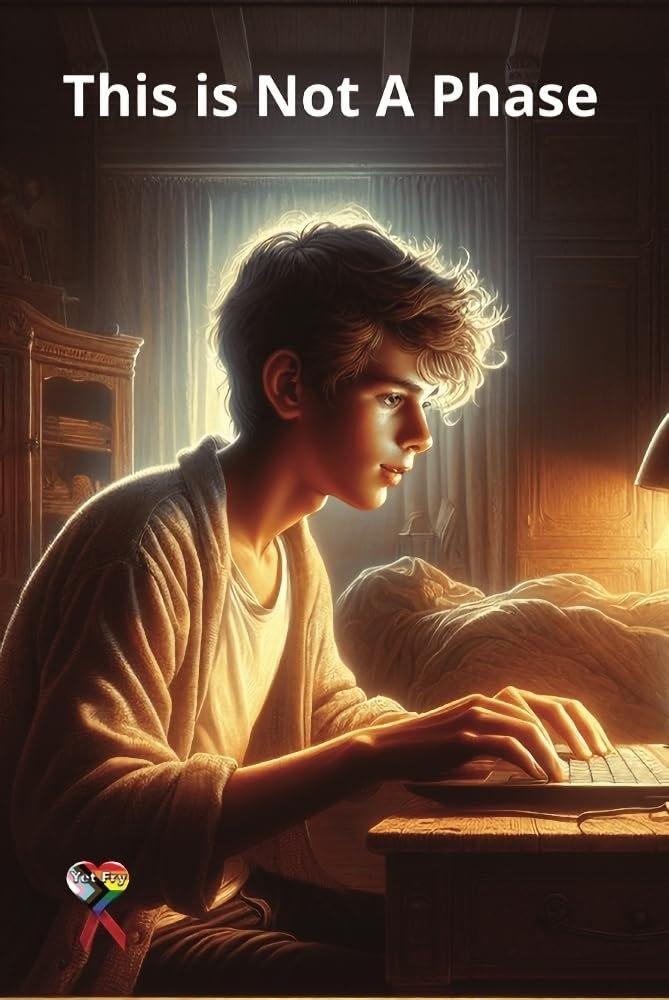
Finding an affirming LGBTQIA+ book can show a young person that countless possibilities lie ahead. Stories about friendship, found family, first love, supportive parents, adventure, and personal discovery can offer something simple yet powerful: the chance to imagine a future.
Adult readers also benefit from that range.
For decades, many queer stories in popular culture centered on rejection, secrecy, tragedy, or punishment. Those experiences remain legitimate subjects for fiction, but they do not capture the full scope of LGBTQIA+ life.
There is also joy.
Romance, humor, friendship, family, adventure, ambition, sexuality, mystery, success, heartbreak, healing, and everyday life also exist.
Inclusive storytelling becomes richer when LGBTQIA+ characters can experience it all.
Found Family and Queer Community in LGBTQIA+ Stories
One theme that appears frequently in LGBTQIA+ books, movies, and television is the found family.
For some LGBTQIA+ people, friends and community become an important source of acceptance and belonging. Storytelling has captured that experience through groups of characters who support, protect, challenge, and occasionally drive one another crazy.
These relationships can be just as emotionally important as romance.
Found-family stories also broaden the definition of family. Families can be biological, adopted, blended, chosen, or a combination of all four.
Increasingly, LGBTQIA+ storytelling also depicts supportive biological families, same-sex parents, LGBTQIA+ people raising children, and multigenerational queer families.
These stories help move representation beyond a single question—whether someone will be accepted—to a much broader one:
What kind of life will this person build once they are free to be themselves?
LGBTQIA+ Movies Bring Queer Stories to Wider Audiences
Film has played a major role in increasing the visibility of LGBTQIA+ people.
Queer cinema has existed for generations, but LGBTQIA+ characters and relationships have become increasingly visible in mainstream movies as well.
Romance, comedy, drama, horror, historical films, independent cinema, and documentaries all offer opportunities to explore different aspects of LGBTQIA+ life.
At its best, LGBTQIA+ representation in movies allows queer characters to be fully realized human beings rather than stereotypes or plot devices.
A gay character need not be the funny best friend.
A transgender character need not exist solely to explain gender identity.
A bisexual character need not be portrayed as confused.
And an LGBTQIA+ romance need not end tragically simply because the characters are queer.
Greater variety gives filmmakers the freedom to tell much more compelling stories.
LGBTQIA+ Television Has Changed What Long-Term Representation Can Look Like
Television offers something movies cannot always provide: time.
A television series can follow a character for years, allowing audiences to witness relationships develop, families change, careers evolve, friendships fracture and heal, and characters age.
That makes LGBTQIA+ representation on television particularly powerful.
Instead of appearing in a few scenes, queer characters can become central members of an ensemble. Audiences can watch them experience relationships, breakups, career changes, marriages, parenthood, friendships, grief, celebrations, and everyday life.
Long-form storytelling also gives writers room to portray the diversity within the LGBTQIA+ community.
Gay, lesbian, bisexual, transgender, queer, intersex, asexual, and nonbinary people do not share a single universal experience. Neither do LGBTQIA+ people across generations, cultures, races, religions, socioeconomic backgrounds, or geographic regions.
Television has the space to explore some of that complexity.
LGBTQIA+ Celebrities and the Power of Visibility
Actors, musicians, writers, athletes, creators, and other public figures have also contributed to LGBTQIA+ visibility.
When well-known people speak openly about their lives, it can challenge the notion that LGBTQIA+ identity belongs in the shadows.
For younger people, especially, seeing successful LGBTQIA+ adults in entertainment and other professions can broaden their understanding of what their futures might look like.
Celebrity visibility, however, is not a replacement for good storytelling.
Representation becomes more meaningful when LGBTQIA+ people are present both in front of and behind the camera—as writers, directors, producers, performers, editors, publishers, and other creative professionals.
Authentic voices can bring details, perspectives, humor, and emotional complexity to stories that might otherwise be overlooked.
LGBTQIA+ Stories Are About More Than Struggle
Some of the most significant changes in LGBTQIA+ entertainment may come from something deceptively simple: allowing queer characters to be happy.
Historical discrimination, prejudice, violence, and political struggles matter. They should not be erased from LGBTQIA+ narratives.
But queer existence is not defined solely by suffering.
LGBTQIA+ people also fall in love. They build families. They make friends. They pursue careers. They celebrate holidays. They argue with their partners. They raise children. They take ridiculous vacations. They solve problems, chase dreams, make mistakes, and start over.
They experience joy.
Stories that acknowledge both struggle and happiness offer a fuller picture of LGBTQIA+ life.
This matters especially in fiction because stories do more than reflect the world as it is. They allow us to imagine what the world could become.
Why Inclusive Storytelling Matters
The growing presence of LGBTQIA+ stories benefits audiences in multiple ways.
For LGBTQIA+ readers and viewers, representation can foster recognition and belonging.
For people outside the community, stories can offer a window into experiences they may never encounter firsthand.
But inclusive storytelling matters for another reason, too.
It produces better stories.
Expanding who gets to be a hero, romantic lead, detective, parent, adventurer, villain, survivor, or protagonist gives writers and filmmakers more possibilities—not fewer.
A richer collection of human experiences yields a richer collection of stories.
The Future of LGBTQIA+ Entertainment
The evolution of LGBTQIA+ representation is far from complete.
Communities, identities, age groups, cultures, and experiences still receive far less attention than other groups. Representation can also become superficial when characters are included merely to create the appearance of diversity without meaningful roles.
The next stage of LGBTQIA+ storytelling should therefore focus on more than visibility.
It should be about variety.
We need quiet stories and outrageous ones, too.
Romances and mysteries.
Comedies and horror stories.
Children’s books and adult thrillers.
Stories about first love and about couples who have been together for fifty years.
Stories about coming out—and stories in which no one needs to come out at all.
The ultimate goal of inclusive entertainment should not be to create a single, perfect representation of LGBTQIA+ life. Such a representation could never exist.
The goal should be to create enough stories so that no single character is expected to represent everyone.
Stories Help Us See One Another
Books, movies, television, music, and other forms of entertainment have always helped people understand experiences beyond their own.
LGBTQIA+ stories are part of that tradition.
Every new voice expands the possibilities of who can stand at the center of a story and say, in one form or another:
This is my life. This is my family. This is my love. This is my adventure. This is my story.
Perhaps that is the most exciting development of all.
LGBTQIA+ characters are no longer limited to asking to be included in someone else’s story.
Increasingly, they are getting their own stories.
Enjoy LGBTQIA+ books, movies, and queer culture?
Join us on Social Media.
Frequently Asked Questions
How has the entertainment industry evolved in terms of LGBTQIA+ representation?
The entertainment industry has increasingly embraced LGBTQIA+ representation, showcasing diverse narratives that explore identity, resilience, and community. This evolution is evident in literature, film, and television, where LGBTQIA+ stories and characters have become more prominent, offering audiences a richer understanding of diverse experiences.
Why are LGBTQIA+ stories important in literature?
LGBTQIA+ stories in literature are crucial because they provide representation for marginalized voices and offer readers insights into the complexities of identity and love. These narratives foster a sense of belonging and inspiration, helping to normalize diverse experiences and promote empathy among readers.
What role do LGBTQIA+ celebrities play in promoting inclusivity?
LGBTQIA+ celebrities play a significant role in promoting inclusivity by using their platforms to advocate for representation and challenge stereotypes. Their visibility offers role models for future generations, and their advocacy for LGBTQIA+ rights helps to champion equality and justice within the industry and beyond.
In what ways are LGBTQIA+ themes shaping film and television?
LGBTQIA+ themes are shaping film and television by introducing more inclusive storytelling, with productions increasingly centered around LGBTQIA+ characters and narratives. This shift not only entertains but also educates audiences, fostering empathy and understanding of diverse life experiences.
How do LGBTQIA+ musicians contribute to the community's visibility?
LGBTQIA+ musicians contribute to the community's visibility by expressing themes of love, acceptance, and self-discovery through their music and lyrics. Their work resonates deeply with fans and helps to break down barriers, encouraging a broader acceptance of diverse identities in the music industry and society at large.